Digital lottery systems rely on accurate result verification, reliable payment records, and secure administration to maintain public trust. Conventional platforms typically use centralized databases, where operators control ticket records, manage draws, and distribute prizes. Although established auditing procedures can provide oversight, participants may have limited access to the information needed to verify how individual transactions and outcomes were processed.
Online gaming platforms offering lottery services illustrate the importance of clear transaction records and transparent operating procedures. As digital gaming continues to develop, blockchain technology has emerged as a possible way to improve recordkeeping and independent verification. However, its effectiveness depends on how the underlying systems are designed, administered, and regulated.

Why Conventional Systems Face Transparency Challenges
Centralized lottery platforms generally store transaction histories and draw information in databases managed by the operator or its technology provider. Authorized administrators can maintain these records, correct errors, and investigate disputes. However, independent verification often requires access to internal systems or reports prepared by approved auditors.
Result verification presents another challenge. Participants may see published outcomes without knowing how the underlying random number generator operates or whether the draw followed established procedures. Payment records can also become difficult to reconcile when several financial providers and administrative systems are involved.
These limitations do not automatically indicate misconduct. Centralized systems can operate under strict technical standards and independent oversight. Nevertheless, their transparency depends heavily on the quality of their controls and the information made available to regulators and participants.
How Could Blockchain Improve Recordkeeping?
Blockchain technology maintains a shared record of transactions across a network of computers. Once transactions have been confirmed and added to the chain, changing historical information generally requires overcoming the network’s technical and governance protections.
This structure can make certain records independently verifiable without requiring participants to rely exclusively on an operator’s internal database. Ticket purchases, transaction timestamps, and prize transfers could be recorded through a blockchain network, creating an accessible history of activities.
The National Institute of Standards and Technology (NIST) describes blockchain as a distributed ledger designed to make unauthorized historical changes detectable and difficult. This property could support digital draw systems by allowing auditors to compare recorded transactions against published results. However, blockchain records are reliable only when the information entered into them is accurate.
Can Smart Contracts Automate Prize Distribution?
Smart contracts are computer programs that execute predefined instructions when specified conditions are satisfied. Within a blockchain-based lottery system, they could validate recorded entries, calculate prize allocations, and initiate payments after receiving verified draw results.
According to Ethereum, smart contracts execute programmed rules but cannot independently retrieve information from external systems. They require additional services, known as oracles, to obtain information such as externally generated draw results.
This arrangement could reduce manual processing and create a clearer payment history. Nevertheless, incorrect contract instructions, unreliable external information, or compromised software could still produce inaccurate results. Automation therefore requires technical testing and independent supervision.
Blockchain Versus Centralized Platforms: Where Are the Trade-Offs?
Transparency and Independent Verification
Centralized systems depend on operator-controlled databases, established auditing procedures, and regulatory reporting. Blockchain systems can provide shared transaction histories that authorized parties may inspect independently, depending on network permissions and system design.
However, publicly accessible records do not automatically explain whether an underlying draw was conducted fairly. Both approaches require reliable procedures for generating, documenting, and verifying results.
Transaction Costs and Processing Speed
Conventional platforms can process substantial transaction volumes through established payment networks and internal databases. Their operating expenses include payment processing, infrastructure maintenance, security, and administrative oversight.
Blockchain platforms introduce different expenses, including network transaction fees, smart contract deployment, and technical maintenance. Fees and processing times vary across networks, making blockchain unsuitable as a universally cheaper alternative.
Privacy and Data Protection
Centralized operators can restrict access to personal information through internal security controls. Public blockchains, however, may expose transaction histories and wallet addresses to anyone examining the network.
Although wallet addresses do not necessarily reveal personal identities, transaction patterns can create privacy concerns when linked to identifiable information. Operators must therefore consider whether sensitive records should remain outside publicly accessible ledgers.
Regulatory Compliance
Traditional operators generally work within established licensing frameworks that define applicable security, reporting, and consumer protection obligations. Blockchain-based platforms must address these requirements while accommodating distributed infrastructure and automated transactions.
The UK Gambling Commission requires covered remote gambling operators to follow applicable technical standards, including requirements concerning result determination, transaction information, and security. Discussions about promotional offers and consumer protection also highlight the importance of examining how different gambling platforms operate under varying regulatory frameworks. Blockchain adoption does not remove the need for licensing, transparent operating procedures, and appropriate consumer safeguards.
Why Blockchain Cannot Guarantee Fair Outcomes
A permanent transaction record cannot establish whether a random number generator was properly designed or whether external information was manipulated before entering the system.
The UK Gambling Commission requires applicable random number generation processes to demonstrate acceptable randomness. Its testing guidance also addresses independent verification and documented procedures for maintaining fair draws.
Blockchain developers must additionally consider software vulnerabilities, compromised administrative credentials, unreliable oracles, and network governance. Independent audits and clear procedures for correcting errors remain necessary, even when transactions are publicly visible.
Conclusion: Transparency Requires More Than Technology
Blockchain technology could improve digital lottery transparency through independently verifiable records and automated payment administration. However, its benefits depend on trustworthy data, secure software, appropriate privacy controls, and effective regulatory oversight.
For online draw-based gaming systems, a shared ledger may complement conventional auditing rather than replace it. Transparent records cannot independently establish fair outcomes or guarantee operational security.
Responsible gambling also remains essential. Gambling involves financial risks, including the possibility of losing money. Participants should understand these risks, establish personal limits, and seek support when gambling causes financial or personal difficulties.






 Not all gambling platforms are safe or fair because of the use of blockchain.Not every gambling platform is safe and fair due to blockchain. Users must take into account the licensing requirements, security, privacy, transaction fees, and any guidelines or rules that apply to a specific service.
 Many traditional websites utilize centralized databases, which could be breached by cybercriminals. Blockchain shares information on many nodes, making it more difficult to modify the information without permission. Some of the top blockchain platforms also implement sophisticated encryption methods to ensure data security and financial transactions. Although no technology is entirely risk-free, decentralized systems can bolster overall security and lower risks.




 Due to a lack of explicit blockchain gambling rules, several jurisdictions have gray areas and legal risks. Cross-border law on blockchain is difficult to apply due to its decentralized nature, especially when operators and players are in different jurisdictions.
 Secure information transfer, or cryptography, is fundamental to the concept of provably fair gambling. The use of random number generators (RNGs) by traditional online casinos raises trust concerns due to its opaque nature. Provably fair gaming turns the tables on this.
 When compared to traditional online casinos, which have clear rules about how to run their businesses, blockchain gaming is a bit more unclear. The fact that blockchain is decentralized makes it hard for authorities to implement rules. This might appeal to people who want to stay anonymous and not be limited in any way.

















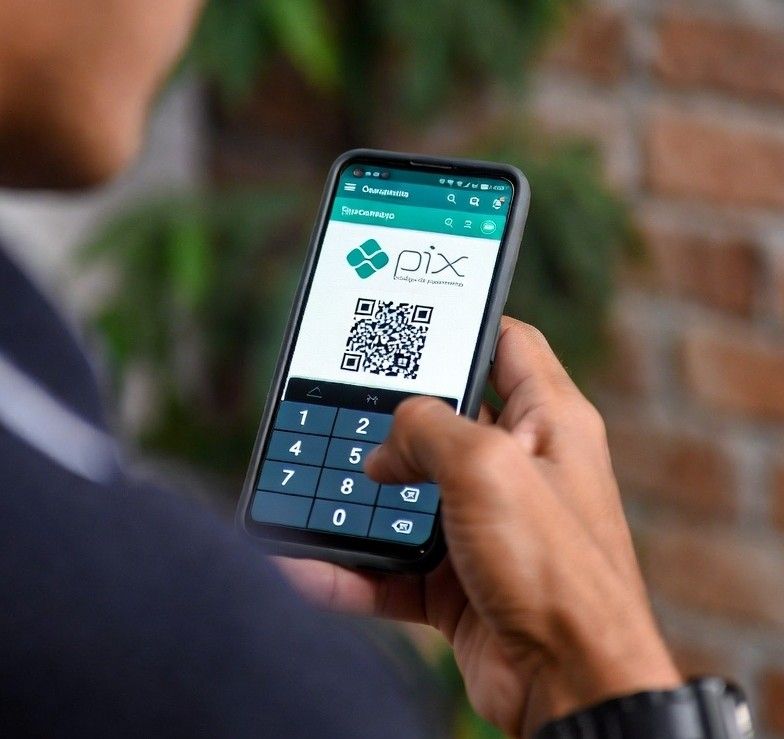

 Cybercrime reports in Southeast Asia continue to rise each year, and this growth highlights why online bettors in Thailand must think about safety before placing a single wager. Digital betting platforms have become more advanced, and so have the threats that target them. As players look for fast payouts and smooth gameplay, the security of a betting site becomes the most important factor, especially for those using a direct baccarat platform (บาคาร่าเว็บตรง).
 Global audits show that blockchain technology has created a new standard for transparency in digital transactions. This shift has reached online gambling, where blockchain casinos are gaining traction among Norwegian players who want clear rules and verifiable bonus terms. Many gamblers are now comparing traditional casino deals with what these new platforms offer, especially when it comes to fairness and proof of payouts.
 Online gambling is evolving at a rapid pace, and technology is driving that change. Platforms that once relied solely on traditional digital systems are now exploring blockchain as a way to increase transparency and fairness. This shift is particularly evident with sites like 55five slot, which has begun integrating blockchain features into its slot offerings. Players are drawn to these platforms not just for entertainment, but for the promise of a more secure and verifiable gaming experience.
 When people talk about betting, the focus is usually on
  You can get free spins, bonuses, and savings by earning utility tokens.
 Blockchain is a decentralized digital ledger that records transactions across multiple systems. Once information is stored, it cannot be altered without consensus. This permanent record offers a perfect fit for gambling platforms, where transparency is everything. Players want proof that games aren’t rigged and that payouts are delivered fairly. With blockchain, every spin, win, and withdrawal can be traced and verified.